Loading banner...
A masked and suited veterinarian handling a chicken with sustpected highly pathogenic avian influenza DOMESTIC ANIMALS

From cull to control: South Africa’s new defence against bird flu

Highly pathogenic avian influenza (HPAI) is a severe, systemic and highly contagious viral disease of poultry. No single clinical sign is unique to HPAI, and the disease can present in several ways depending on the virus strain, the species of bird, the age of the flock and environmental conditions.

NEWS

Protecting kidney function in cats: Preserving companionship from diagnosis to longevity 

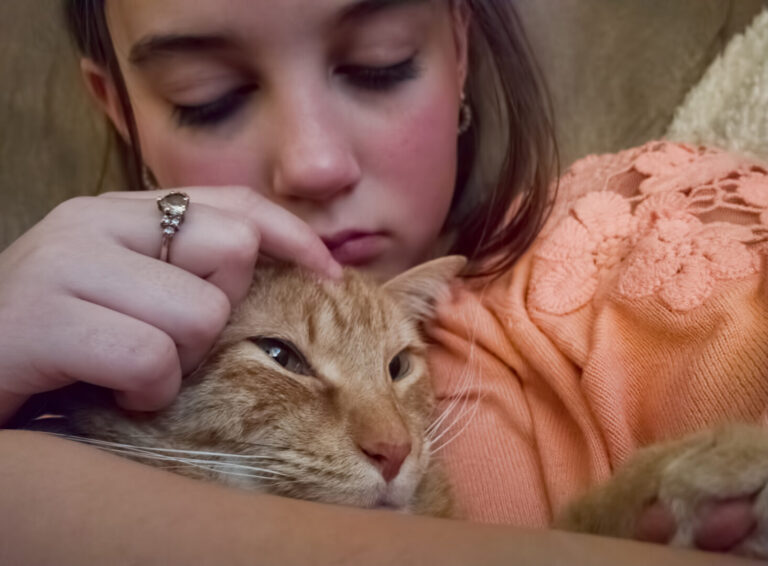
Chronic kidney disease is one of the most common chronic diseases in cats and the leading cause of death in geriatric felines. In this webinar report, Dr Melanie Wergin highlights the importance of early diagnosis, accurate IRIS staging and timely intervention - from renal diets and RAAS inhibition to supportive therapy - to preserve kidney function, improve quality of life and extend survival.

Photo credit: Getty Images/24K Production NEWS

10 key domains of veterinary nurse contributions

Veterinary nurses are no longer behind-the-scenes assistants - they are frontline contributors to One Health. A landmark European perspective paper identifies 10 domains in which veterinary nurses make substantive contributions, from infection control and antimicrobial stewardship to disaster response and environmental monitoring, making the case for their formal recognition in health policy.

Photo credit: Getty Images/Bohdan Bevz NEWS

Burnout among veterinarians: understanding the crisis and strategies to cope 

Burnout among veterinarians is a systemic crisis, not a personal weakness. With burnout rates of 55-74% across roles and countries, and suicide risk nearly four times the general population, this article examines the structural drivers of veterinary burnout and the individual and organisational interventions - from self-compassion training to workplace reform - that can help.

Photo credit: Getty Images/Jacob Wackerhausen NEWS

Spring flush syndrome in cattle: Managing the risks of rapid pasture transition 

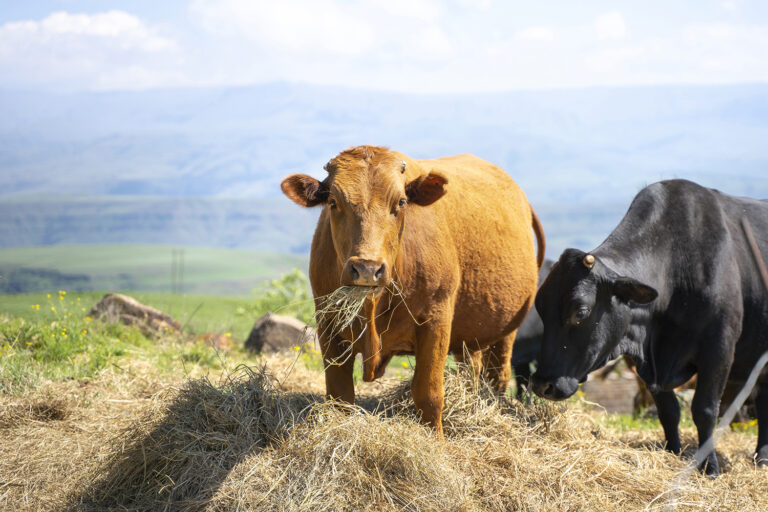
As spring approaches, cattle farmers face one of the most dangerous seasonal transitions on the farming calendar. Spring flush syndrome - comprising grass tetany and frothy bloat - is triggered by the sudden shift from dry winter rations to lush, fast-growing pasture. This article outlines the risks, clinical signs and evidence-based prevention strategies.

NEWS

Rabies: A preventable but persistent global threat 

Rabies is one of the world’s deadliest zoonotic diseases, with an almost 100% fatality rate once clinical symptoms develop. Despite being entirely preventable, rabies still causes ~59 000 human deaths annually, predominantly in Africa and Asia, where limited healthcare infrastructure and inadequate access to vaccines continue to perpetuate infection cycles.

Photo credit: Getty Images/vgajic NEWS

What You Need to Consider When Running a Successful Veterinary Practice – Part 2 

Running a successful veterinary practice demands more than clinical excellence. In Part 2 of her three-part series, Marianne van Wyk, CEO of Vetmaster Online, focuses on three foundational areas - outstanding patient care, exceptional customer service and effective stock control - that drive client loyalty, staff retention and long-term profitability.

Photo credit: Getty Images/FG Trade NEWS

Informed consent: What exactly do I need to disclose? 

Informed consent is not a form - it is a conversation. Dr Cornelia Els, consultant to the Veterinary Defence Association, unpacks what 'informed' actually means, why generic consent forms fall short, and how documenting the discussion, not just the signature, protects both the client's right to decide and the veterinarian's legal position.

Photo credit: Getty Images/skynesher NEWS

Treating inflammation first: Are we rethinking canine otitis externa? 

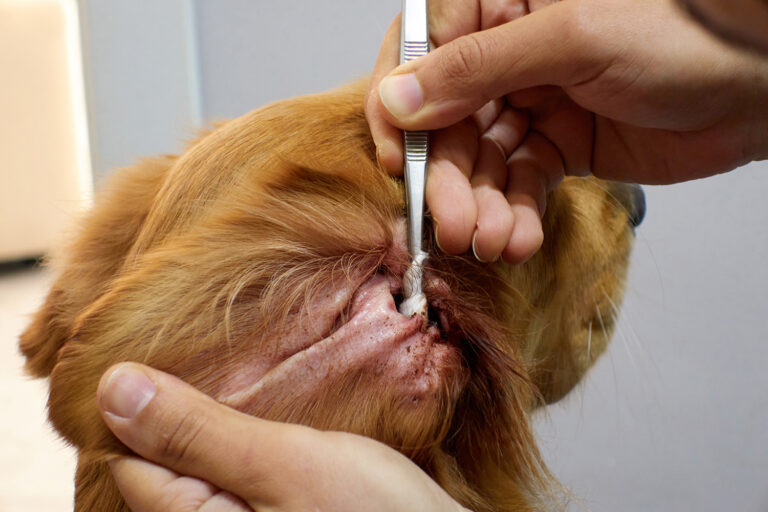
Canine otitis externa is one of the most common and frustrating conditions in small animal practice, often treated reflexively with antibiotic-antifungal-steroid combinations. Dr Myra Rose Marais examines whether controlling inflammation first - rather than reaching for combination therapy - could improve long-term outcomes and reduce unnecessary antimicrobial exposure in selected cases.

Photo credit: Getty Images/Jaromir NEWS

Nutrition of ageing cats: Understanding the unique needs of senior felines

As cats age, their nutritional needs shift in ways that are not yet fully captured by formal guidelines. Drawing on Royal Canin Veterinary Academy insights, Dr Angeliki Kaldelis explores how declining digestive efficiency, hydration challenges, sarcopenia and cognitive decline shape the dietary requirements of senior and super senior cats - and why individualised nutrition is essential for healthy ageing.