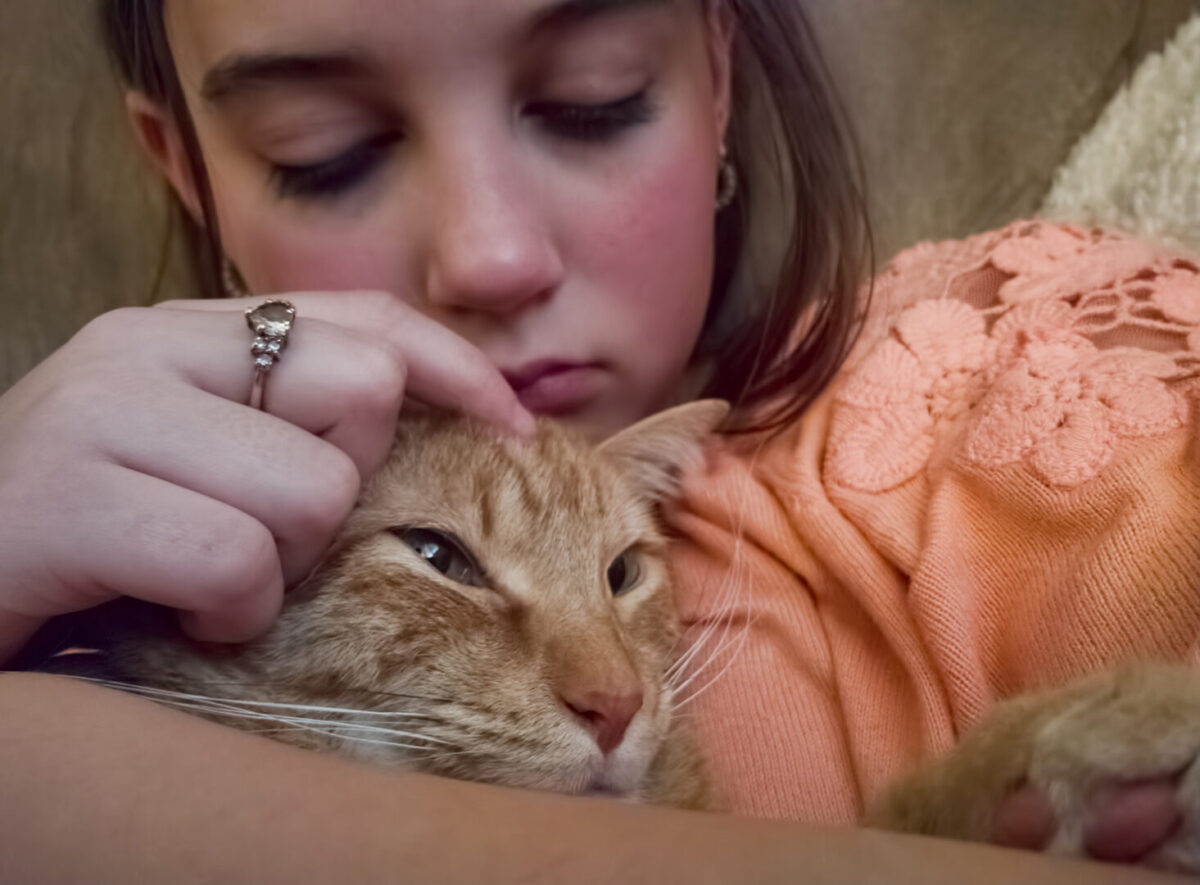
Chronic kidney disease is one of the most common chronic diseases in cats and the leading cause of death in geriatric felines. In this webinar report, Dr Melanie Wergin highlights the importance of early diagnosis, accurate IRIS staging and timely intervention – from renal diets and RAAS inhibition to supportive therapy – to preserve kidney function, improve quality of life and extend survival.
Chronic kidney disease (CKD) is one of the most common chronic diseases in cats and the leading cause of death in geriatric felines. During this webinar, Dr Melanie Wergin highlighted the importance of early diagnosis, accurate staging and timely intervention to preserve kidney function, improve quality of life (QoL) and extend survival.
CKD affects an estimated 2%-20% of cats, with prevalence increasing markedly with age. Around 80% of cats >15-years are affected. The disease is multifactorial, with recognised risk factors including breed predisposition (Scottish Fold, Maine Coon, Persian and Abyssinian), male sex, lean body condition, poor dental health, inherited polycystic kidney disease, hypertension, cardiovascular disease, chronic infections and nephrotoxic medications such as non-steroidal anti-inflammatory drugs. Although the initiating cause is often unknown, CKD progresses through irreversible nephron loss, chronic inflammation and fibrosis, resulting in a continuous decline in renal function.
A key driver of disease progression is activation of the renin-angiotensin-aldosterone system (RAAS), which promotes vasoconstriction, proteinuria, hypertension and further nephron damage. Because cats possess substantial renal reserve, serum creatinine does not typically increase until ~70%-75% of kidney function has been lost, meaning many cats remain clinically normal during the early stages of disease.
Clinical signs depend on disease severity. Cats in International Renal Interest Society (IRIS) stage 1 are often asymptomatic and identified only through routine screening, while those in stages 2 and 3 commonly present with increased thirst and urination, poor appetite, vomiting, weight loss, lethargy and reduced grooming. Dr Wergin recommended annual kidney screening from six years of age to facilitate earlier diagnosis and improve long-term outcomes.
Diagnosis relies on serum creatinine and symmetric dimethylarginine (SDMA), which detects declining renal function earlier than creatinine and is less influenced by muscle mass. Additional assessment should include urinalysis, urine culture, urine protein-to-creatinine ratio, blood pressure measurement and renal ultrasonography. These investigations form part of the IRIS staging system, which guides prognosis and treatment.
Management focuses on slowing disease progression and maintaining quality of life. Rehydration is essential before interpreting renal biomarkers, while nutritional management remains a cornerstone of therapy. Commercial renal diets restricted in protein and phosphorus have been shown to slow CKD progression by approximately 43% and delay disease progression by about 1.5 years. ACE inhibitors are recommended for cats with proteinuria and/or hypertension to reduce RAAS activation and preserve renal function.
Dr Wergin also discussed supportive therapy using SUC, comprising solidago virgaurea, ubiquinone (coenzyme Q10) and coenzyme preparations. These compounds possess anti-inflammatory and antioxidant properties that may reduce fibrosis, support mitochondrial function and protect remaining nephrons.
An observational multicentre study comparing SUC with benazepril in cats with IRIS stage 2 and 3 CKD found comparable renal outcomes, while cats receiving SUC experienced improvements in creatinine concentrations, appetite, activity, grooming and overall quality of life. Approximately 70% of stage 3 cats improved sufficiently to move into stage 2. The findings also suggested that treatment should be continued at least twice weekly to maintain clinical benefit.
A clinical case demonstrated similar improvements following rehydration, renal diet and SUC therapy, with reductions in creatinine and phosphate concentrations, improved urine concentrating ability and a marked improvement in the cat’s overall condition.
Conclusion
Dr Wergin concluded that although CKD is progressive and irreversible, early diagnosis, routine screening, nutritional intervention, appropriate management of proteinuria and hypertension, and supportive therapies can significantly slow disease progression, preserve renal function and improve both survival and QoL for affected cats.
This webinar is currently undergoing CPD accreditation. You can still watch the replay and earn points. Click here to watch the replay https://event.webinarjam.com/9pqmp/go/replay/kr4vrbzyxbw5viz3wi1. Once you have watched the video, please send your full names and council registration number to rene.bosman@media24.com.