Loading banner...
Photo credit: Getty Images/skynesher NEWS

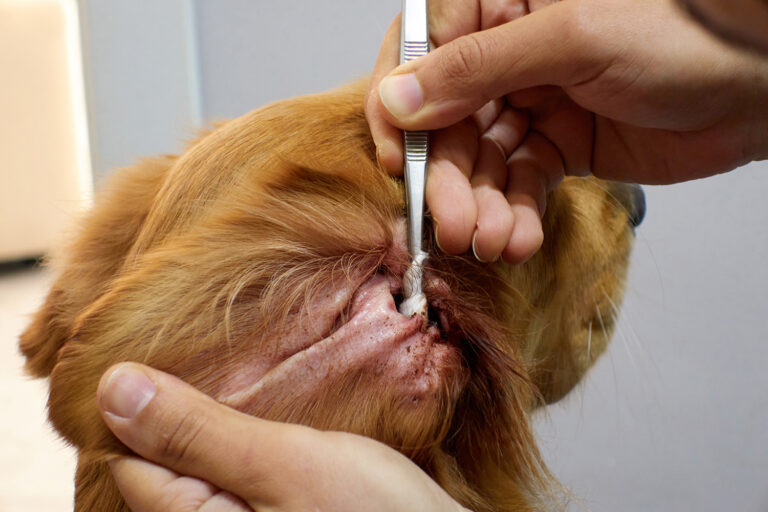
Treating inflammation first: Are we rethinking canine otitis externa? 

Canine otitis externa is one of the most common and frustrating conditions in small animal practice, often treated reflexively with antibiotic-antifungal-steroid combinations. Dr Myra Rose Marais examines whether controlling inflammation first - rather than reaching for combination therapy - could improve long-term outcomes and reduce unnecessary antimicrobial exposure in selected cases.
Photo credit: Getty Images/Jaromir NEWS

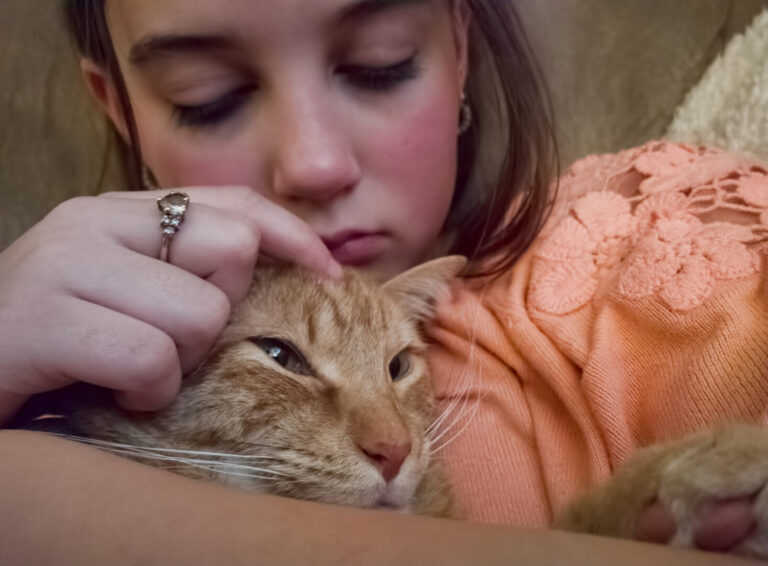
Nutrition of ageing cats: Understanding the unique needs of senior felines

As cats age, their nutritional needs shift in ways that are not yet fully captured by formal guidelines. Drawing on Royal Canin Veterinary Academy insights, Dr Angeliki Kaldelis explores how declining digestive efficiency, hydration challenges, sarcopenia and cognitive decline shape the dietary requirements of senior and super senior cats - and why individualised nutrition is essential for healthy ageing.

Photo credit: Getty Images/fx-visual NEWS

Cat-astrophe averted: Evidence-based diabetes management in cats 

Feline diabetes affects roughly one in 200 cats, with obesity and age as major risk factors. The 2025 International Cat Care consensus guideline offers a comprehensive framework for diagnosis, treatment and long-term management, emphasising early diagnosis, individualised insulin therapy, newer agents such as SGLT2 inhibitors, and the critical role of caregiver collaboration in achieving remission.

Photo credit: Getty Images/Roger de la Harpe NEWS

South Africa’s biodiversity plan puts farms, livelihoods and nature at the centre 

South Africa's biodiversity is more than a conservation priority. It is the natural capital that underpins our economy, wellbeing and future resilience.

NEWS

Protecting kidney function in cats: Preserving companionship from diagnosis to longevity

Chronic kidney disease (CKD) is one of the most common chronic illnesses affecting cats and remains the leading cause of death in geriatric felines. In this webinar, Dr Melanie Wergin reviewed the epidemiology, pathophysiology, diagnosis and management of feline CKD, with particular emphasis on the importance of early detection, evidence-based interventions and supportive therapies aimed at preserving kidney function and improving quality of life (QoL).

COMPANION ANIMALS

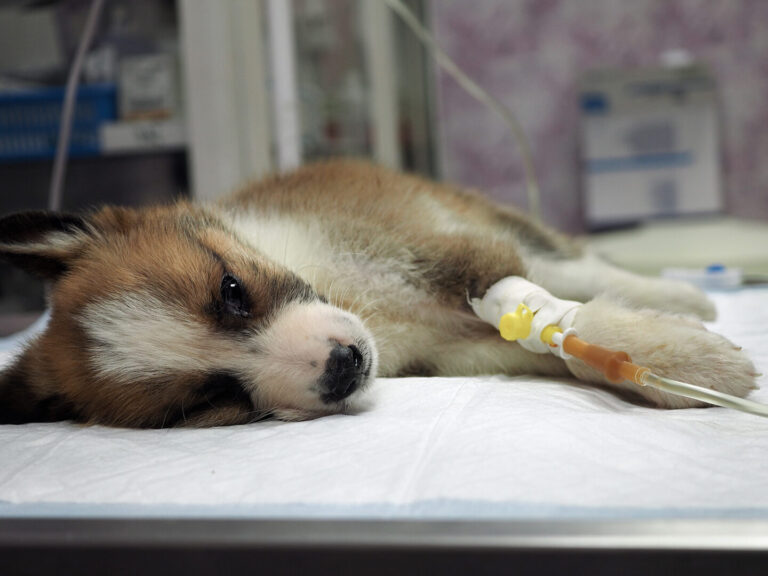
With winter around the corner, parvo risk increases: Are you ready?

Parvovirus is one of the most frequently encountered diseases in small animal practice.

NEWS

South African Veterinary Association – 2026 Events

South African Veterinary Association - 2026 Events

A veterinary physiotherapist massaging a horse’s back NEWS

When to refer for physiotherapy in veterinary medicine

Early veterinary physiotherapy is key to successful postoperative recovery. From dogs recovering from IVDD surgery to those undergoing femoral head and neck excision, timely interventions improve mobility, reduce pain, and support muscle function. Collaboration between veterinarians and physiotherapists ensures tailored rehabilitation, enhancing patient comfort and outcomes while empowering owners with guidance during these critical recovery stages.

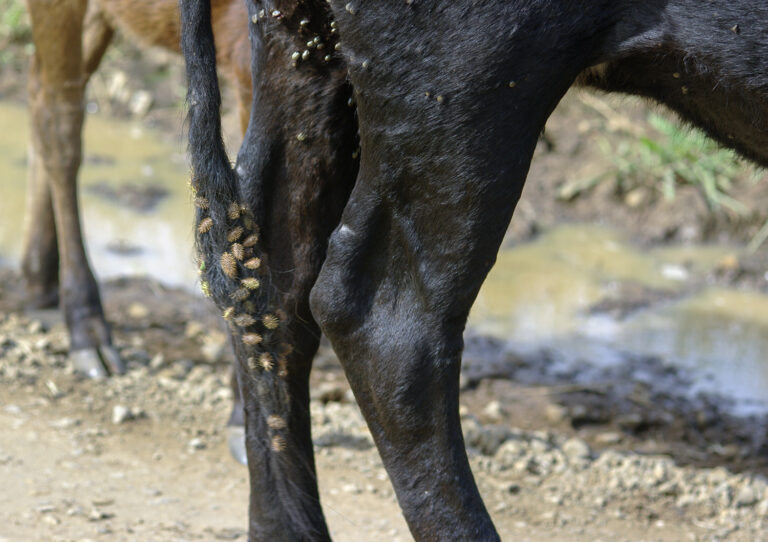
Photograph of the hind leg of a cow full of ticks NEWS

How to manage cattle parasites: A practical guide

Parasitic infestations in cattle are a complex, farm-specific challenge, influenced by climate, breed, nutrition, and management. Ticks and gastrointestinal worms drive production losses, disease, and fertility issues, while resistance to treatments complicates control. Sustainable parasite management requires integrated strategies, combining accurate diagnosis, strategic medication, grazing management, nutrition, herd immunity, and collaboration between farmers and veterinarians to protect herd health and profitability.

A photograph of a veterinary surgeon performing surgery on a dog with JCO. NEWS

Juvenile canine orthopaedic screening – Identifying problems early to improve lifelong outcomes

Developmental orthopaedic disease is a major contributor to chronic pain and osteoarthritis in dogs. Importantly, many of these conditions originate during rapid skeletal growth — long before obvious lameness develops. Traditionally, intervention occurred only once clinical disease became apparent. At that stage, treatment often focuses on pain management or salvage surgery rather than restoration of normal joint biomechanics.