Loading banner...

Latest Articles

New & Noteworthy

A masked and suited veterinarian handling a chicken with sustpected highly pathogenic avian influenzaDOMESTIC ANIMALS

From cull to control: South Africa’s new defence against bird flu

Highly pathogenic avian influenza (HPAI) is a severe, systemic and highly contagious viral disease of poultry. No single clinical sign is unique to HPAI, and the disease can present in several ways depending on the virus strain, the species of bird, the age of the flock and environmental conditions.
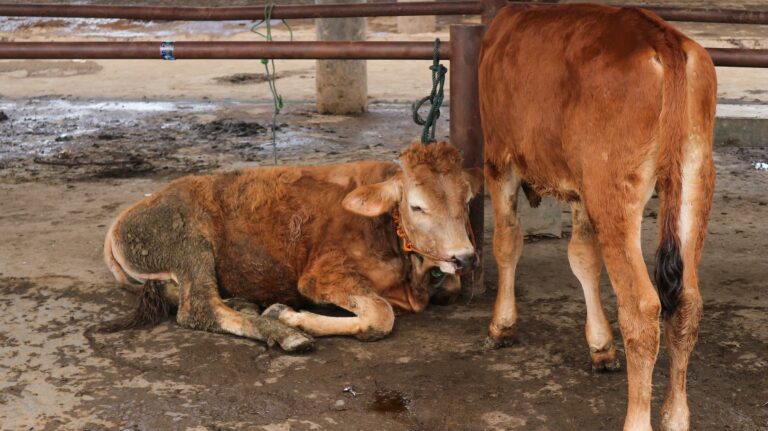
A calf with pneumonia-associated fever laying next to his motherDOMESTIC ANIMALS

When fever calls for antibiotic action – and when it does not

Body temperature can provide an early warning of disease in cattle, including bovine respiratory disease, before obvious clinical signs develop. However, fever does not automatically justify antibiotic treatment. Responsible prescribing requires identifying the underlying cause, assessing disease severity and determining whether antimicrobial therapy is warranted.

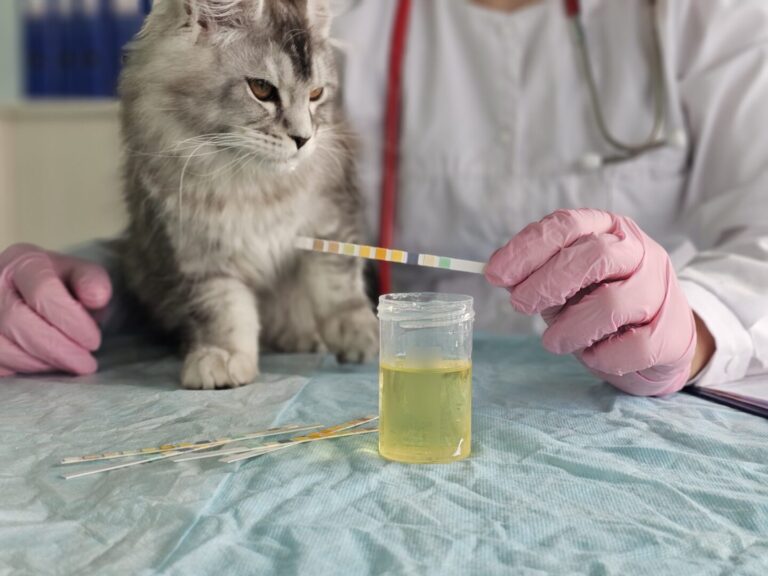
A veterinarian checking the urine analysis of a cat with chronic kidney diseaseCOMPANION ANIMALS

Keeping feline CKD complications from calling the shots

Chronic kidney disease (CKD) is common in older cats, yet early disease may produce few or no obvious clinical signs. Reported prevalence ranges from 28%-81% in cats >12-years of age, making CKD one of the most frequently diagnosed diseases in this population. CKD is also a significant cause of mortality in older cats.

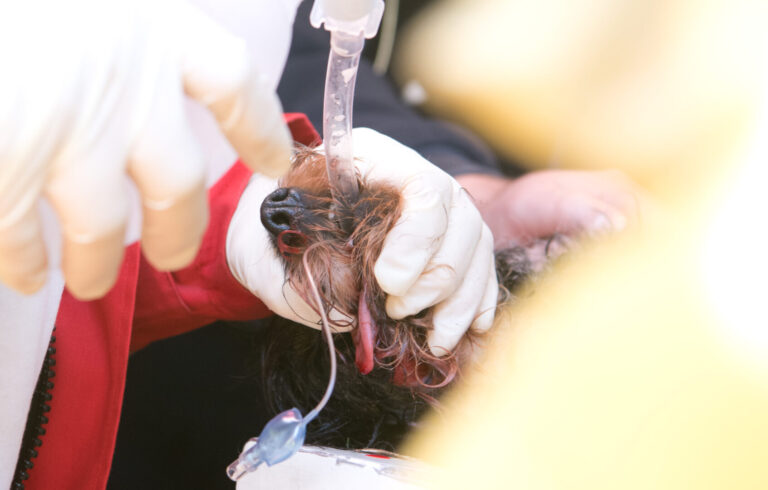
A close-up photograph of a cat receiving emergency treatment after sustaining a chemical burnCOMPANION ANIMALS

RECOVER first aid guidelines: Acting fast when every second counts

The Reassessment Campaign on Veterinary Resuscitation (RECOVER) Initiative, a nonprofit organisation and global leader in evidence-based veterinary cardiopulmonary resuscitation (CPR) guidelines and training, has released the first evidence- and consensus-based first aid recommendations for dogs and cats developed through a systematic and transparent evaluation process.

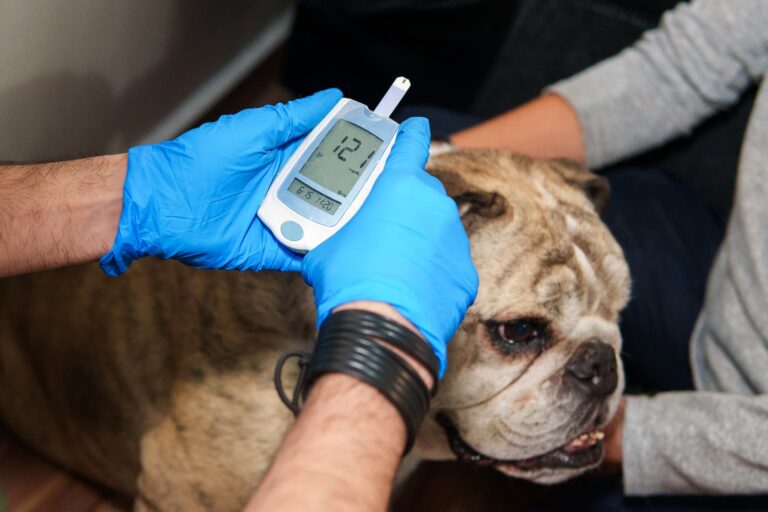
A photograph of a dog with canine diabetes’ blood glucose being checkedCOMPANION ANIMALS

Keeping canine diabetes on the leash

Canine diabetes mellitus (DM) is characterised by hyperglycaemia caused by inadequate insulin secretion and/or impaired insulin action, affecting approximately 0.26–1.33% of dogs. Most affected dogs require lifelong insulin therapy, creating a significant owner burden and need for ongoing veterinary care.

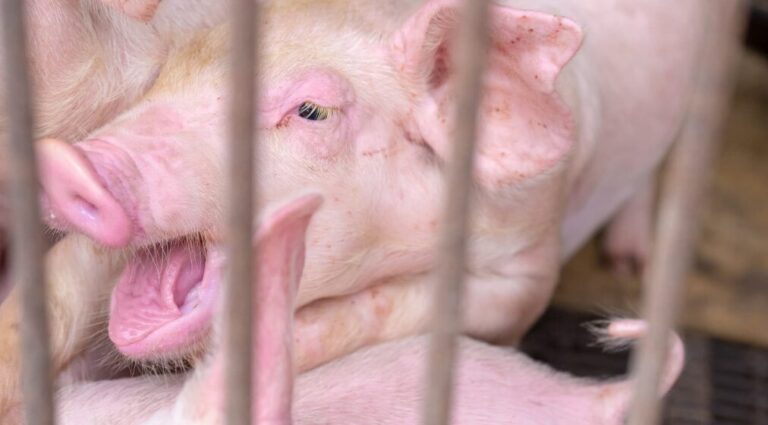
A pig experiencing heat stress trying to increase evaporative heat loss through the respiratory tractDOMESTIC ANIMALS

Heat stress in pigs: Recognising the signs and managing the threat

El Niño is a natural climate pattern that shifts global atmospheric circulation, and in South Africa it typically brings below-normal summer rainfall and higher-than-normal temperatures.