Loading banner...
A veterinarian checking the urine analysis of a cat with chronic kidney disease COMPANION ANIMALS

Keeping feline CKD complications from calling the shots

Chronic kidney disease (CKD) is common in older cats, yet early disease may produce few or no obvious clinical signs. Reported prevalence ranges from 28%-81% in cats >12-years of age, making CKD one of the most frequently diagnosed diseases in this population. CKD is also a significant cause of mortality in older cats.
A close-up photograph of a cat receiving emergency treatment after sustaining a chemical burn COMPANION ANIMALS

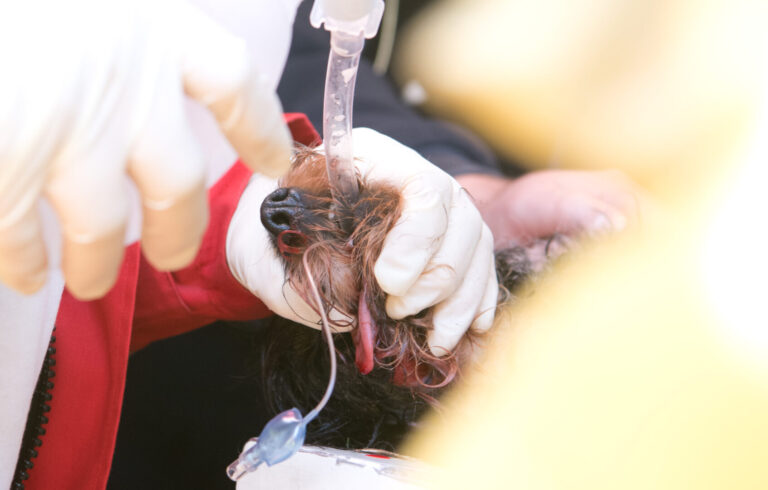
RECOVER first aid guidelines: Acting fast when every second counts

The Reassessment Campaign on Veterinary Resuscitation (RECOVER) Initiative, a nonprofit organisation and global leader in evidence-based veterinary cardiopulmonary resuscitation (CPR) guidelines and training, has released the first evidence- and consensus-based first aid recommendations for dogs and cats developed through a systematic and transparent evaluation process.

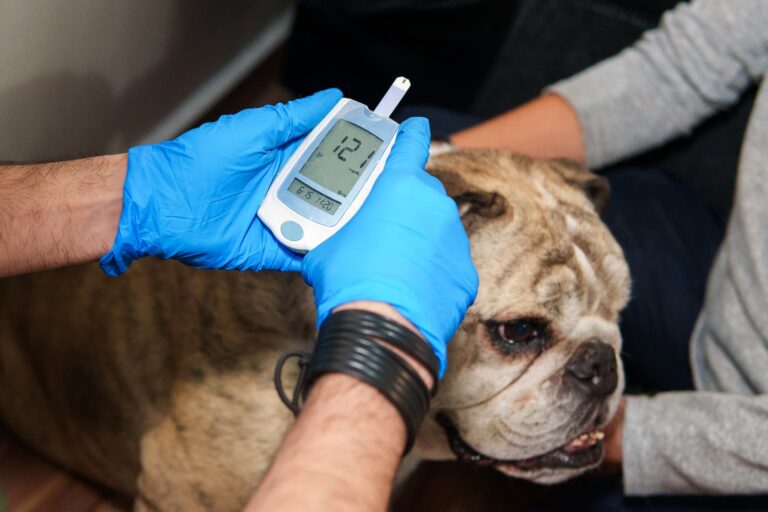
A photograph of a dog with canine diabetes’ blood glucose being checked COMPANION ANIMALS

Keeping canine diabetes on the leash

Canine diabetes mellitus (DM) is characterised by hyperglycaemia caused by inadequate insulin secretion and/or impaired insulin action, affecting approximately 0.26–1.33% of dogs. Most affected dogs require lifelong insulin therapy, creating a significant owner burden and need for ongoing veterinary care.

COMPANION ANIMALS

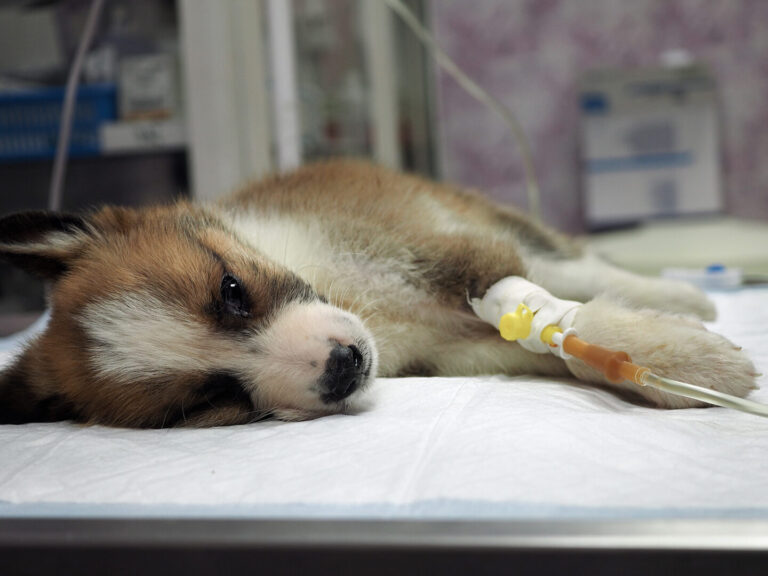
With winter around the corner, parvo risk increases: Are you ready?

Parvovirus is one of the most frequently encountered diseases in small animal practice.

COMPANION ANIMALS

Feathers, food, and feelings: A companion bird guide

Companion birds are prone to health and behavioural issues, including infectious diseases, as well as nutritional deficiencies from unbalanced seed diets. Stress, social isolation, and environmental factors affect wellbeing, highlighting the importance of balanced nutrition, regular veterinary care, environmental enrichment, and attentive management to maintain healthy, happy, and thriving companion birds.

COMPANION ANIMALS

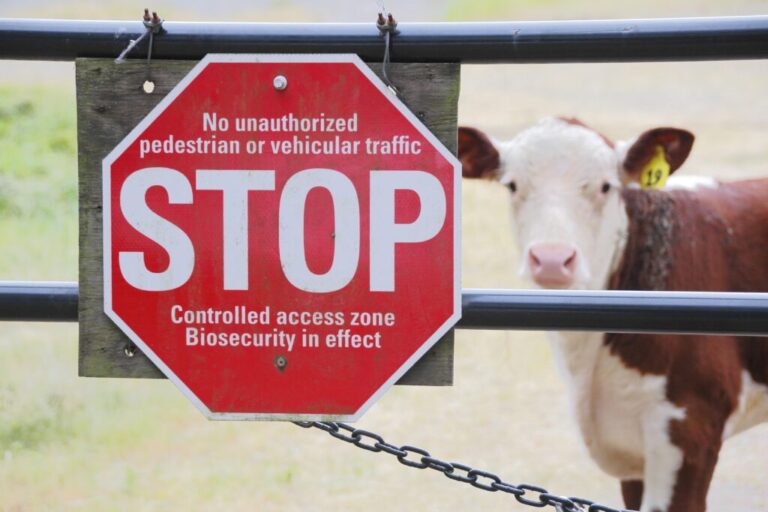
South Africa’s FMD battle: Containment, caution, and a call for collaboration

South Africa faces foot-and-mouth disease outbreaks in cloven-hoofed animals, driven by animal movements, wildlife reservoirs, and persistent biosecurity gaps. Effective control requires movement restrictions, active surveillance, farmer education, and coordinated government-farmer action. Locally adapted strategies, vigilance, and careful planning are essential to protect livestock, national trade, and overall food security.