Loading banner...
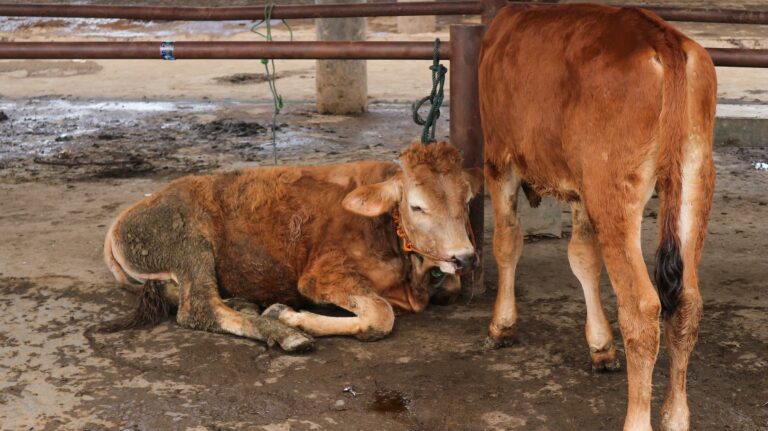
A calf with pneumonia-associated fever laying next to his mother DOMESTIC ANIMALS

When fever calls for antibiotic action – and when it does not

Body temperature can provide an early warning of disease in cattle, including bovine respiratory disease, before obvious clinical signs develop. However, fever does not automatically justify antibiotic treatment. Responsible prescribing requires identifying the underlying cause, assessing disease severity and determining whether antimicrobial therapy is warranted.
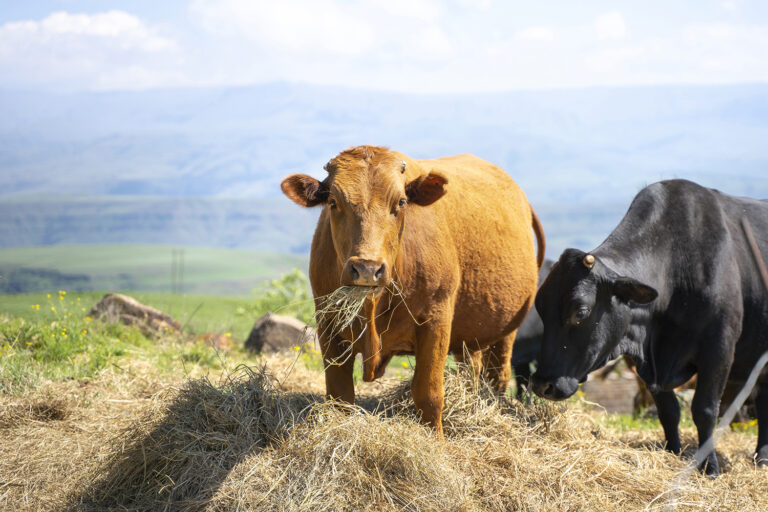
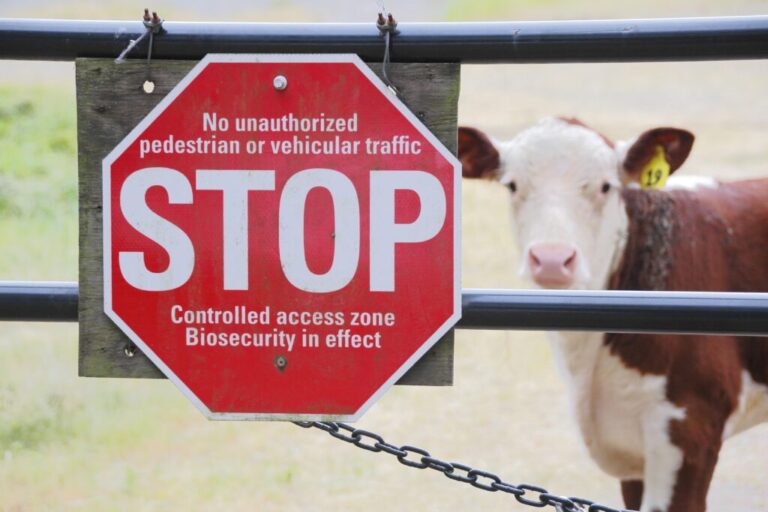
Photo credit: Getty Images/Jacob Wackerhausen NEWS

Spring flush syndrome in cattle: Managing the risks of rapid pasture transition 

As spring approaches, cattle farmers face one of the most dangerous seasonal transitions on the farming calendar. Spring flush syndrome - comprising grass tetany and frothy bloat - is triggered by the sudden shift from dry winter rations to lush, fast-growing pasture. This article outlines the risks, clinical signs and evidence-based prevention strategies.

COMPANION ANIMALS

South Africa’s FMD battle: Containment, caution, and a call for collaboration

South Africa faces foot-and-mouth disease outbreaks in cloven-hoofed animals, driven by animal movements, wildlife reservoirs, and persistent biosecurity gaps. Effective control requires movement restrictions, active surveillance, farmer education, and coordinated government-farmer action. Locally adapted strategies, vigilance, and careful planning are essential to protect livestock, national trade, and overall food security.