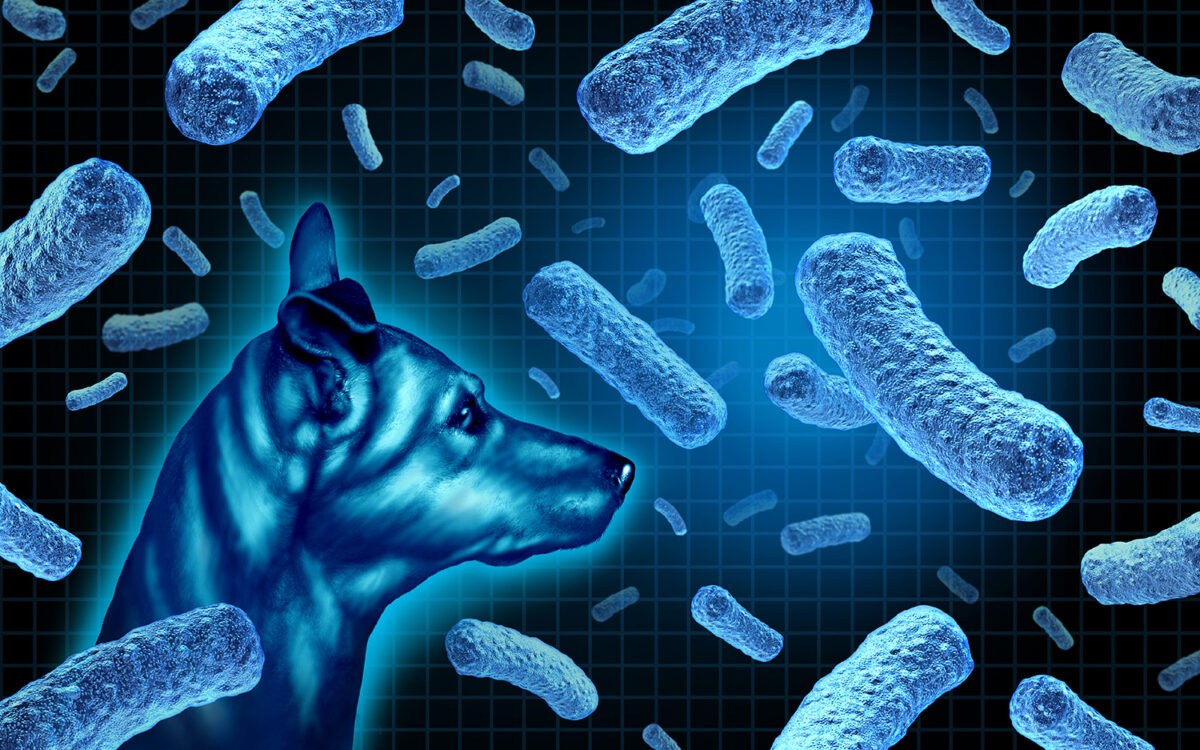
In this article, Dr Angeliki Kaldelis, Scientific Communications Manager South Africa at Royal Canin, summarises key insights from the Royal Canin Veterinary Academy on the canine gastrointestinal (GI) microbiome and dysbiosis. It explores the GI microbial ecosystem’s role in digestion, immunity, and health, the consequences of dysbiosis, diagnostic approaches, and evidence-based dietary and therapeutic strategies to support microbial balance and overall canine GI wellbeing.
The GI microbiome is increasingly recognised as a cornerstone of canine health, shaping digestion, immune function, and susceptibility to disease. Dysbiosis, the disruption of this microbial ecosystem, has been linked to a range of gastrointestinal disorders in dogs. A thorough understanding of the microbiome’s complexity and the pivotal role of diet in maintaining microbial balance is essential for veterinarians managing canine GI health.
The canine GI tract hosts a diverse and dynamic community of microorganisms, including bacteria, fungi, viruses, and protozoa. These microbes are not merely passive inhabitants but active participants in maintaining intestinal and systemic health.
Microbial composition: The colon harbors the highest microbial density, dominated by bacterial phyla such as Firmicutes, Bacteroidetes, Proteobacteria, and Fusobacteria. These groups contribute to essential functions like fermenting dietary fibers and producing metabolites.
Functional roles: The microbiome aids in nutrient metabolism by fermenting indigestible carbohydrates into short-chain fatty acids (SCFAs) such as butyrate, acetate, and propionate. SCFAs serve as energy sources for intestinal cells and exert anti-inflammatory effects. Additionally, the microbiome educates the immune system, promoting tolerance to beneficial microbes while defending against pathogens. It also supports the integrity of the intestinal barrier, preventing harmful bacterial translocation.
Dysbiosis: Disruption of microbial homeostasis
Dysbiosis is characterised by an imbalance in the microbial community, often involving reduced diversity and overrepresentation of potentially pathogenic bacteria. This imbalance can result from multiple factors:
- Antibiotic administration.
- Dietary changes or suboptimal nutrition.
- Stress and environmental factors.
- Infections and inflammatory conditions.
In dogs, dysbiosis is closely linked to chronic enteropathies such as inflammatory bowel disease (IBD), acute and chronic diarrhea, and other GI disturbances. The altered microbiome can exacerbate mucosal inflammation, impair nutrient absorption, and weaken the intestinal barrier, perpetuating disease processes.
Clinical relevance of dysbiosis in canine GI disease
Research has demonstrated distinct microbial shifts in dogs with GI disorders:
- Decreased beneficial bacteria: Notably, reductions in Firmicutes and Bacteroidetes, which are important for SCFA production and immune modulation.
- Increased proteobacteria: This phylum includes many opportunistic pathogens that may contribute to inflammation.
- Reduced SCFA levels: Leading to compromised mucosal health and increased susceptibility to injury.
These changes correlate with clinical signs such as diarrhoea, vomiting, weight loss, and abdominal discomfort. Moreover, dysbiosis may influence systemic immune responses, potentially affecting overall health beyond the GI tract.
Diagnostic tools for assessing dysbiosis
Traditional diagnostics focus on clinical signs, bloodwork, imaging, and histopathology but do not directly evaluate the microbiome. Bacterial culture of the faeces, while still used by many veterinarians, is not useful for microbiome assessments as the majority of intestinal bacteria are strict anaerobes requiring special growth media.
Molecular techniques, including 16S rRNA gene sequencing and metagenomics, are used in research settings and provide detailed microbial profiles but are often costly and complex.
A practical and increasingly used tool (available commercially in North America and Europe) is the Canine Microbiota Dysbiosis Index (DI), a quantitative polymerase chain reaction-based assay measuring key bacterial groups associated with health or dysbiosis.
The DI offers a standardised score to help veterinarians identify dysbiosis and monitor treatment responses. However, microbiome testing should complement comprehensive clinical evaluation rather than replace it.
The role of diet in modulating the microbiome
Diet is a primary factor influencing the composition and function of the GI microbiome. Nutritional management is therefore central to restoring and maintaining microbial balance in dogs with GI disorders.
Dietary fibre and prebiotics
Fermentable fibres and prebiotics such as fructooligosaccharides (FOS) and inulin serve as substrates for beneficial bacteria, promoting SCFA production and enhancing mucosal health. These dietary components support microbial diversity and function.
Protein quality and digestibility
The source and digestibility of dietary protein affect the microbiome and intestinal health. Poorly digested proteins reaching the colon can undergo putrefactive fermentation, producing harmful metabolites that may worsen inflammation. Hydrolysed or novel protein diets can reduce antigenic stimulation and improve clinical outcomes in food-responsive enteropathies.
Specialised veterinary diets
Therapeutic diets designed for GI health incorporate balanced fiber sources, optimised protein content, and nutrients that support mucosal repair and immune modulation. Royal Canin’s veterinary diets, for example, are formulated to favorably modulate the microbiome, reduce inflammation, and alleviate clinical signs in chronic enteropathies.
Impact of dietary interventions
Dietary changes can reverse dysbiosis by:
- Increasing beneficial bacterial populations.
- Enhancing SCFA production.
- Restoring mucosal barrier function.
- Reducing inflammation.
Long-term dietary management is often necessary to maintain remission and prevent relapse in chronic GI diseases.
Adjunctive therapies: Probiotics and antibiotics
Probiotics
Probiotics — live beneficial microorganisms — can help restore microbial balance and support GI health. Evidence supports their use in acute diarrhoea and as adjuncts in chronic GI disorders. However, strain specificity, dosing, and treatment duration are critical factors influencing efficacy.
Antibiotics
While antibiotics may be necessary to control bacterial overgrowth or infection, their use can further disrupt the microbiome. Judicious use is essential, ideally followed by dietary and probiotic support to restore microbial equilibrium.
Faecal microbiota transplantation
Faecal microbiota transplantation(FMT) involves transferring faecal material from a healthy donor to a recipient to restore microbial diversity. Although promising in human medicine and some veterinary cases, FMT remains experimental in dogs. Its clinical application is limited by variability in protocols, donor selection, and safety considerations.
Conclusion
The canine GI microbiome is a complex and vital ecosystem integral to health, and many animals with gastrointestinal disease will develop dysbiosis, resulting in abnormal microbial function which can contribute to clinical signs. Diet stands out as a cornerstone in restoring and maintaining microbial balance, and veterinary practitioners should incorporate microbiome considerations into their diagnostic and therapeutic approaches.
For comprehensive understanding, detailed guidance and references, please visit the Royal Canin Academy for the full article Canine microbiome dysbiosis, written by Jan Suchodolski. 2022 [Internet]. Available at: https://academy.royalcanin.com/en/veterinary/canine-microbiome-dysbiosis