Loading banner...
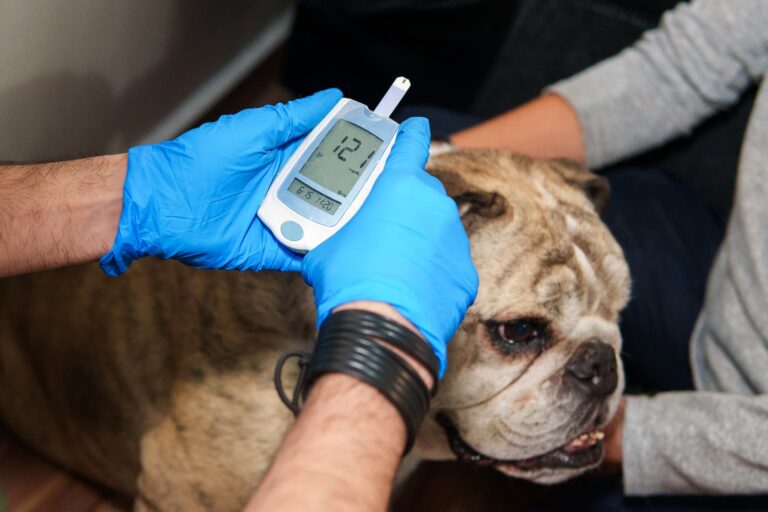
A photograph of a dog with canine diabetes’ blood glucose being checked COMPANION ANIMALS

Keeping canine diabetes on the leash

Canine diabetes mellitus (DM) is characterised by hyperglycaemia caused by inadequate insulin secretion and/or impaired insulin action, affecting approximately 0.26–1.33% of dogs. Most affected dogs require lifelong insulin therapy, creating a significant owner burden and need for ongoing veterinary care.
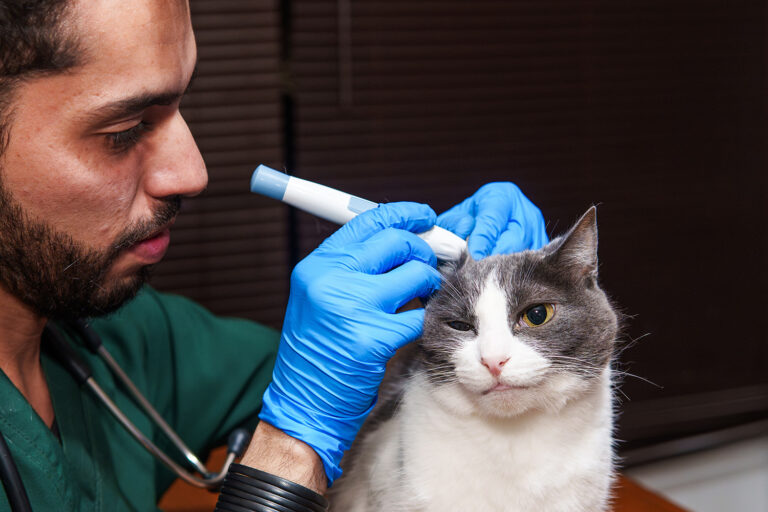
Photo credit: Getty Images/fx-visual NEWS

Cat-astrophe averted: Evidence-based diabetes management in cats 

Feline diabetes affects roughly one in 200 cats, with obesity and age as major risk factors. The 2025 International Cat Care consensus guideline offers a comprehensive framework for diagnosis, treatment and long-term management, emphasising early diagnosis, individualised insulin therapy, newer agents such as SGLT2 inhibitors, and the critical role of caregiver collaboration in achieving remission.