Loading banner...
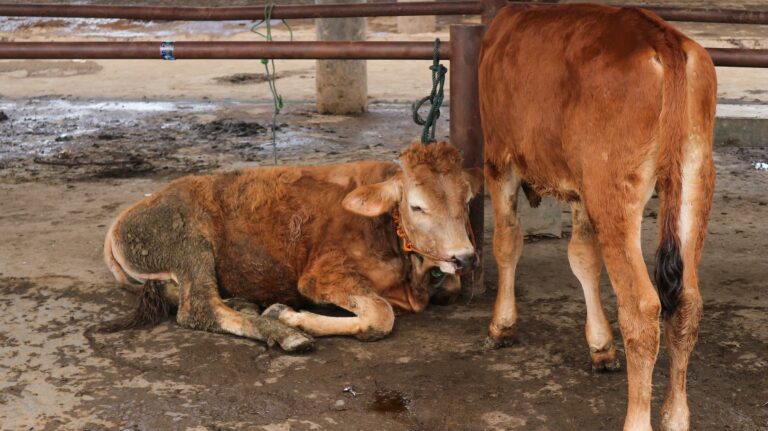
A calf with pneumonia-associated fever laying next to his mother DOMESTIC ANIMALS

When fever calls for antibiotic action – and when it does not

Body temperature can provide an early warning of disease in cattle, including bovine respiratory disease, before obvious clinical signs develop. However, fever does not automatically justify antibiotic treatment. Responsible prescribing requires identifying the underlying cause, assessing disease severity and determining whether antimicrobial therapy is warranted.

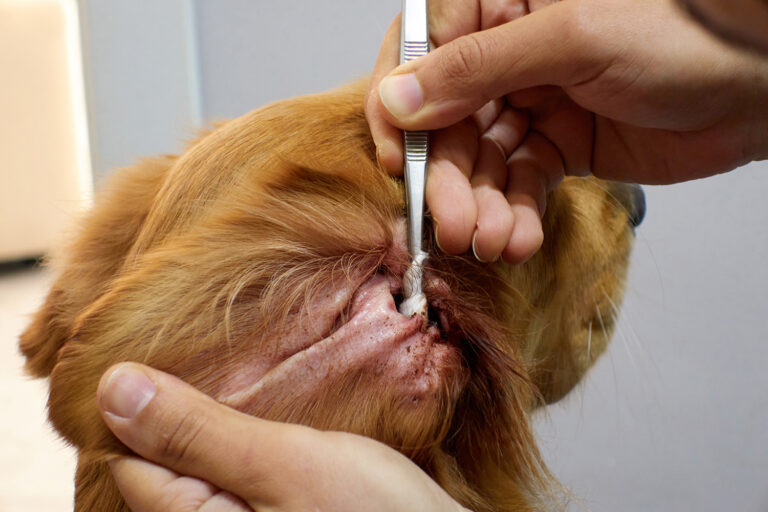
Photo credit: Getty Images/24K Production NEWS

10 key domains of veterinary nurse contributions

Veterinary nurses are no longer behind-the-scenes assistants - they are frontline contributors to One Health. A landmark European perspective paper identifies 10 domains in which veterinary nurses make substantive contributions, from infection control and antimicrobial stewardship to disaster response and environmental monitoring, making the case for their formal recognition in health policy.

Photo credit: Getty Images/skynesher NEWS

Treating inflammation first: Are we rethinking canine otitis externa? 

Canine otitis externa is one of the most common and frustrating conditions in small animal practice, often treated reflexively with antibiotic-antifungal-steroid combinations. Dr Myra Rose Marais examines whether controlling inflammation first - rather than reaching for combination therapy - could improve long-term outcomes and reduce unnecessary antimicrobial exposure in selected cases.