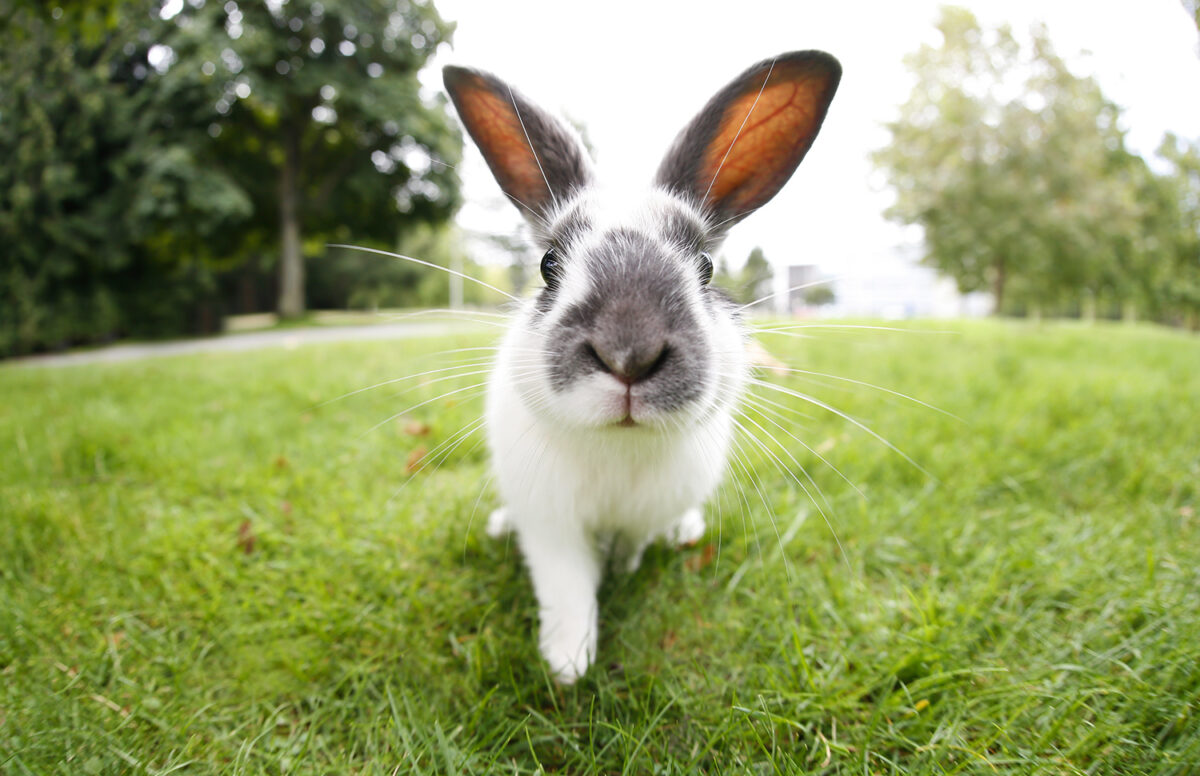
Rabbits may be common pets, but their digestive systems are anything but simple. Hindgut fermentation, caecotrophy, and sensitive microbiomes make GI problems a frequent emergency in practice. Dr Coetzee de Beer highlights why specialised knowledge, early intervention, and preventive nutrition are critical to saving lives, supporting gut health, and ensuring these delicate patients thrive in homes and clinics alike.
In veterinary medicine, the term ‘exotic pets’ might seem puzzling when applied to rabbits – after all, they are one of the most common household companions. However, ‘exotic pets’ in veterinary terminology refers to all patients that are not cats and dogs. This classification has profound implications for both veterinary practice and rabbit ownership, says Dr Coetzee de Beer, based at the Care Centre for Avian, Reptiles and Exotics in the Western Cape.
The reality is that most veterinarians receive minimal training in rabbit medicine during their education. While extensive coursework covers canine and feline anatomy, physiology, and treatment protocols, rabbits and other small mammals often receive only cursory attention. This knowledge gap means that not all veterinary practices are equipped to provide optimal care for rabbits, he adds.
“The importance of specialised knowledge cannot be overstated. Rabbits have unique physiological requirements, distinct disease presentations, and specific treatment needs that differ dramatically from traditional companion animals.”
The remarkable rabbit digestive system
What truly sets rabbits apart from dogs, cats, and many other small mammals is their extraordinary digestive system. Rabbits are hindgut fermenters, sharing more similarities with horses than with carnivorous pets. This specialised digestive strategy allows them to extract nutrients from fibrous plants, despite being unable to digest cellulose themselves.
The key to this system lies in the caecum – essentially the rabbit’s appendix – where fermentation occurs. This large, specialised organ houses beneficial bacteria that break down cellulose and other complex plant fibers, converting them into usable nutrients. The caecum functions as a fermentation chamber, similar to a ruminant’s rumen but located at the end of the digestive tract rather than the beginning.
This hindgut fermentation process is what enables rabbits to thrive on high-fiber diets that would be indigestible to carnivorous pets. However, it also means that rabbits have fundamentally different nutritional requirements and digestive sensitivities.
The fascinating world of caecotrophy
Perhaps the most unique aspect of rabbit digestion is caecotrophy – the production and consumption of two distinct types of droppings. This behaviour, while sometimes concerning to new rabbit owners, is absolutely essential for rabbit health.
Normal droppings are the familiar round, dry pellets that should be well-formed and consistent in size and shape. These represent waste products after nutrients have been extracted. Caecotrophs, also called ‘night droppings’ or ‘soft droppings’, are produced when the caecum periodically empties its fermented contents.
These soft, grape-like clusters are immediately consumed by the rabbit, typically during nighttime hours when owners are not watching. Caecotrophs are rich in:
- Essential vitamins (particularly B vitamins and vitamin K)
- High-quality proteins
- Beneficial bacteria (acting like a natural probiotic)
- Important nutrients that were produced during fermentation.
This process of eating caecotrophs allows rabbits to essentially double-digest their food, maximising nutrient extraction from their plant-based diet. Preventing caecotrophy or conditions that interfere with this natural behavior can lead to serious nutritional deficiencies.
Common dietary and lifestyle mistakes
Many rabbit health problems stem from well-intentioned but misguided care practices. The biggest mistakes that increase the risk of gut problems include:
- Poor quality pellets
One of the most common errors is purchasing low-quality pellets and feeding them as the primary diet component. Quality pellets should be:
- High in fiber (minimum 22%)
- Low in calcium (for adult rabbits)
- Free from seeds, nuts, and colorful additives
- Fed in limited quantities (~25g/kg of body weight daily).
- Overfeeding
Overfeeding pellets is particularly problematic because it reduces hay consumption – the cornerstone of proper rabbit nutrition.
- Inadequate hay consumption
Hay should comprise 70%-80% of a rabbit’s diet, yet many owners underestimate its importance. Common hay-related mistakes include:
- Offering insufficient quantities
- Providing poor-quality hay
- Using straw instead of hay (straw is bedding, not food)
- Removing uneaten hay too quickly
- Not making hay readily available throughout the day.
Gastrointestinal stasis: A true emergency
Gastrointestinal (GI) stasis is one of the most serious conditions in rabbit medicine. It is crucial to understand that GI stasis is not a disease in itself – it is a clinical presentation where the rabbit stops eating and producing faeces. This condition requires immediate veterinary attention.
Common triggers for GI stasis
- Pain (from any source, including dental problems)
- Insufficient fibre intake (not eating enough hay)
- Intestinal blockages (often from ingested fur or inappropriate foods)
- Stress (environmental changes, illness, surgery)
- Dehydration
- Bacterial imbalances in the gut.
Critical warning signs
Owners should never ignore these early warning signs:
- Reduced or absent appetite
- Decreased or absent faecal production
- Smaller than normal faecal pellets
- Lethargy or unusual behaviour
- Grinding teeth (indicating pain)
- Hunched posture
- Bloated appearance.
Time is critical – rabbits can deteriorate rapidly once GI stasis begins, making immediate veterinary intervention essential.
Diarrhoea: Age makes a difference
The approach to rabbit diarrhea depends significantly on the patient’s age:
- Young rabbits (<12-weeks)
Diarrhea in young rabbits is commonly infectious, often caused by:
- Coccidia (parasitic organisms)
- Bacterial overgrowth
- Viral infections
- Stress from weaning or environmental changes.
Treatment typically involves specific anti-parasitic medications, supportive care, and strict hygiene protocols.
- Adult rabbits
In adult rabbits, diarrhoea is more likely to be dietary-related rather than infectious. Common causes include:
- Sudden diet changes
- Inappropriate foods (especially high-sugar or high-starch items)
- Antibiotic-induced gut flora disruption
- Stress-related digestive upset.
Treatment focuses on dietary management, probiotics, and identifying the underlying cause.
Enterotoxemia: A life-threatening condition
Enterotoxemia occurs when harmful bacteria enter the bloodstream from the digestive tract – essentially a form of sepsis originating in the gut. This condition can be rapidly fatal and represents a true veterinary emergency.
Enterotoxemia typically results from severe disruption of normal gut bacteria, often caused by:
- Inappropriate antibiotic use
- Severe dietary imbalances
- Overwhelming stress
- Concurrent illness.
Management becomes an intensive care situation requiring:
- Aggressive supportive care
- Careful antibiotic selection (if appropriate)
- Fluid therapy
- Nutritional support
- Close monitoring.
The complexity of treating enterotoxemia underscores why rabbit medicine requires specialised knowledge and experience.
Understanding dysbiosis
Dysbiosis refers to an imbalance in the normal gut bacteria – a common problem in rabbit medicine. This condition can be triggered by:
- Inappropriate foods (such as iceberg lettuce, which lacks nutritional value and can disrupt digestion)
- Overuse of antibiotics (which can destroy beneficial bacteria along with harmful ones)
- Sudden dietary changes
- Stress or illness
Treatment often involves:
- Dietary correction
- Probiotic supplementation
- Prebiotic support (foods that feed beneficial bacteria)
- Gradual reestablishment of normal gut flora.
True hairball obstructions
Contrary to popular belief, true hairball obstructions are very common and represent a serious health concern. These develop through a snowball effect where ingested fur accumulates and creates a blockage in the digestive tract. While surgery was traditionally recommended for hairball obstructions, newer evidence supports a more conservative approach as the first line of treatment:
Patient rehydration (often through intravenous fluids)
- Pain management (essential for maintaining appetite and gut function)
- Nutritional support
- High-fibre diet (to help move the blockage naturally).
Surgery remains an option when conservative treatment fails, but many cases can be successfully managed with intensive medical therapy.
The ideal rabbit diet: Evidence-based recommendations
For a healthy adult rabbit weighing around 2kg, hay should make up 70%-80% of the daily diet. High-quality grass hays such as timothy, oaten, meadow, or botanical hay are ideal. Fresh hay should be provided daily, roughly the size of a litter tray, and made available free-choice throughout the day to encourage constant grazing.
Pellets should be fed in measured amounts, ~25gr/kg of body weight per day, which is roughly one tablespoon per kilogramme. Only high-fibre, good-quality pellets without added seeds or colorful bits should be used, and they should never be offered free-choice.
Fresh vegetables and herbs constitute the remaining portion of the diet. A 2kg rabbit should receive around three cups of loosely packed leafy greens daily. A wide variety of vegetables is recommended, including romaine lettuce, dark leafy greens, and assorted herbs, with small amounts of other vegetables added for variety and enrichment. Fresh fruit should only be offered occasionally, one to two times per week, in very small portions such as a slice of fruit or a few berries. Fresh, clean water must always be available to rabbits at all times.
Certain foods should be strictly avoided as they are harmful or nutritionally inadequate. These include iceberg lettuce, onions, garlic, potatoes, high-starch foods such as corn and bread, meat products, large amounts of seeds and nuts, chocolate, caffeine, alcohol, as well as tomato plants and rhubarb.
Encouraging hay consumption is essential for digestive health and dental wear. Strategies to maximize intake include making hay more attractive by using hay racks, stuffing hay into toilet paper tubes, or creating foraging opportunities. Limiting pellets and treats helps ensure hay remains the primary food source. Providing a variety of hay types can maintain interest, and mixing small amounts of vegetables or herbs with hay can enhance palatability.
Finally, placing hay in multiple locations throughout the living area encourages natural foraging behaviour and promotes consistent consumption. This approach ensures a balanced diet that meets nutritional needs while supporting the rabbit’s digestive health, mental stimulation, and overall well-being.
The importance of specialised veterinary care
Given the complexity of rabbit physiology and the unique challenges these animals present, it is essential for owners to seek veterinary care from practitioners with genuine expertise in rabbits. Owners should prioritise veterinarians who have pursued specialized training in exotic or small mammal medicine and have extensive experience managing rabbits. The practice should have established protocols for emergencies, recognising the urgency of conditions such as gastrointestinal stasis, which can rapidly become life-threatening. Additionally, preventive care is crucial; veterinarians who emphasise proper nutrition, husbandry, and routine health checks can help maintain overall well-being and reduce the risk of common rabbit ailments. Choosing a knowledgeable and experienced veterinary team ensures that rabbits receive the nuanced care their delicate physiology requires.
Five clinical pearls for veterinary practice
Rabbit medicine may fall under the ‘exotic’ umbrella, but their care demands the same rigor and precision as any traditional companion animal. For veterinarians navigating this complex field, several key insights can improve outcomes and prevent common pitfalls.
- Always recognise that Gl stasis is a true emergency. Prompt identification of early warning signs such as reduced appetite, smaller or absent faecal pellets, lethargy, and teeth grinding can be lifesaving. Immediate intervention to restore hydration, motility, and nutrition is essential to prevent rapid deterioration.
- Understand the unique digestive physiology of rabbits. Their hindgut fermentation and caecotrophy mean that dietary fibre is not optional but central to health. High-quality hay must form the cornerstone of their daily diet, while pellets and treats should be carefully measured to avoid disrupting rumen function and caecotrophy.
- Preventive nutritional management is critical. Poor-quality pellets, sudden diet changes, and inappropriate treats can easily trigger dysbiosis, enterotoxemia, or other metabolic imbalances. Structured feeding protocols, encouragement of foraging behaviour, and dietary variety support gut health and reduce the risk of emergency presentations.
- Specialised knowledge and experience in rabbit medicine are non-negotiable. Clinics should have practitioners trained in exotic or small mammal medicine, with clear emergency protocols and a deep understanding of rabbit-specific conditions. This expertise ensures accurate diagnosis, effective treatment, and guidance for owners on nutrition, housing, and husbandry.
- Focus on integrated care. Rabbits are sensitive to stress, pain, and environmental changes, which interact with dietary, metabolic, and immune factors. Successful clinical management requires addressing all interconnected aspects of health: hydration, nutrition, pain control, microbiome balance, and environmental enrichment. Recognising this holistic interplay allows veterinarians to move beyond symptom management toward sustained recovery and improved welfare.
By keeping these five pearls in mind — early emergency response, appreciation of digestive physiology, preventive nutrition, specialised expertise, and holistic care — veterinarians can significantly enhance outcomes for their rabbit patients and provide owners with actionable guidance to support long-term health.